Posted by: In: Uncategorized 05 Mar 2014 Comments: 0

Solarsol’s warranties are covered by Quality Assured National Warranties.

Established in 1994, QA National Warranties is one of the UK’s leading providers of insurance backed guarantees and deposit protection insurance. In addition to these core products, QA National Warranties also administers a substantial book of commercial latent defects Insurance.

QA National Warranties is part of the Kinnell Group, which also boasts an insurer and a commercial insurance brokerage.

To find out more click here.

Posted by: In: Uncategorized 05 Mar 2014 Comments: 0

An Energy performance certificate (EPC) rating of d or better is required to obtain the feed in tariff application we at solar sol will provide this at no extra cost.

Posted by: In: Uncategorized 05 Mar 2014 Comments: 0

It is important that any small-scale generation technology is specified, installed and maintained correctly for you, as the consumer. MCS wants to ensure that you know what to look out for to guarantee you have a good experience.

You need to have accurate information and enough time to understand what it is you are buying. You must be clear about what your expectations are, and you should know the extent to which the technology(ies) you are considering are capable of meeting them. In particular you should be clear about the likely performance of the system, and what this is likely to deliver for you in financial terms.

Renewable Energy Consumer Code (RECC)

RECC has been set up to ensure your installer provides a high quality experience, as well as offering protection for consumers. For further information on this scheme please visit the Renewable Energy Consumer Code section of this website.

Insurance and Warranties

The Deposit and Workmanship Warranty Insurance Scheme was introduced to protect your deposit. The installation company should provide you with the workmanship guarantee once the installation is complete. Find out more here.

Energy Performance Certificate (EPC)

This is not an MCS requirement therefore it is the customer’s responsibility to obtain the EPC before they apply for the Feed-in Tariffs. Read more about the EPC requirements here.

Planning Permissions

Always check with your local authority to find out if you require planning permission or not. Some useful information is available in the planning section of this website.

Handover Information

Once the installation is complete, the installation company will provide you with a comprehensive handover pack, including the MCS certificate, user manual and any relevant manufacturer’s guarantees. A downloadable checklist is available here.

Rent-a-Roof Schemes

The installation company may offer free solar panels to get the income from the Feed-in Tariff (FITs), while the homeowner will benefit from the free electricity. More information and questions that you should be asking before signing the contract can be found on the Energy Saving Trust website here.

Posted by: In: Uncategorized 15 Apr 2013 Comments: 0

Energy prices are rising at up to eight times the rate of earnings, according to research that will put suppliers under further pressure to justify their recent price increases.

As the soaring price of energy starts a national debate on how to keep gas and electricity suppliers in check, analysis from Citizens Advice projects that by next month, the big six suppliers will have increased their prices by 37% since October 2010.

During the same period, average earnings will have risen by 4.4%. Earnings growth has been sluggish in recent years, potentially skewing the comparison, but the research also shows that energy companies’ prices have risen at three times the rate of inflation, which has been 10.2% over the past three years.

Posted by: In: Uncategorized 08 Feb 2013 Comments: 0 Tags:

When you generate your own energy, you don’t just save money by not having to buy that energy – you can also get paid for the energy you produce.

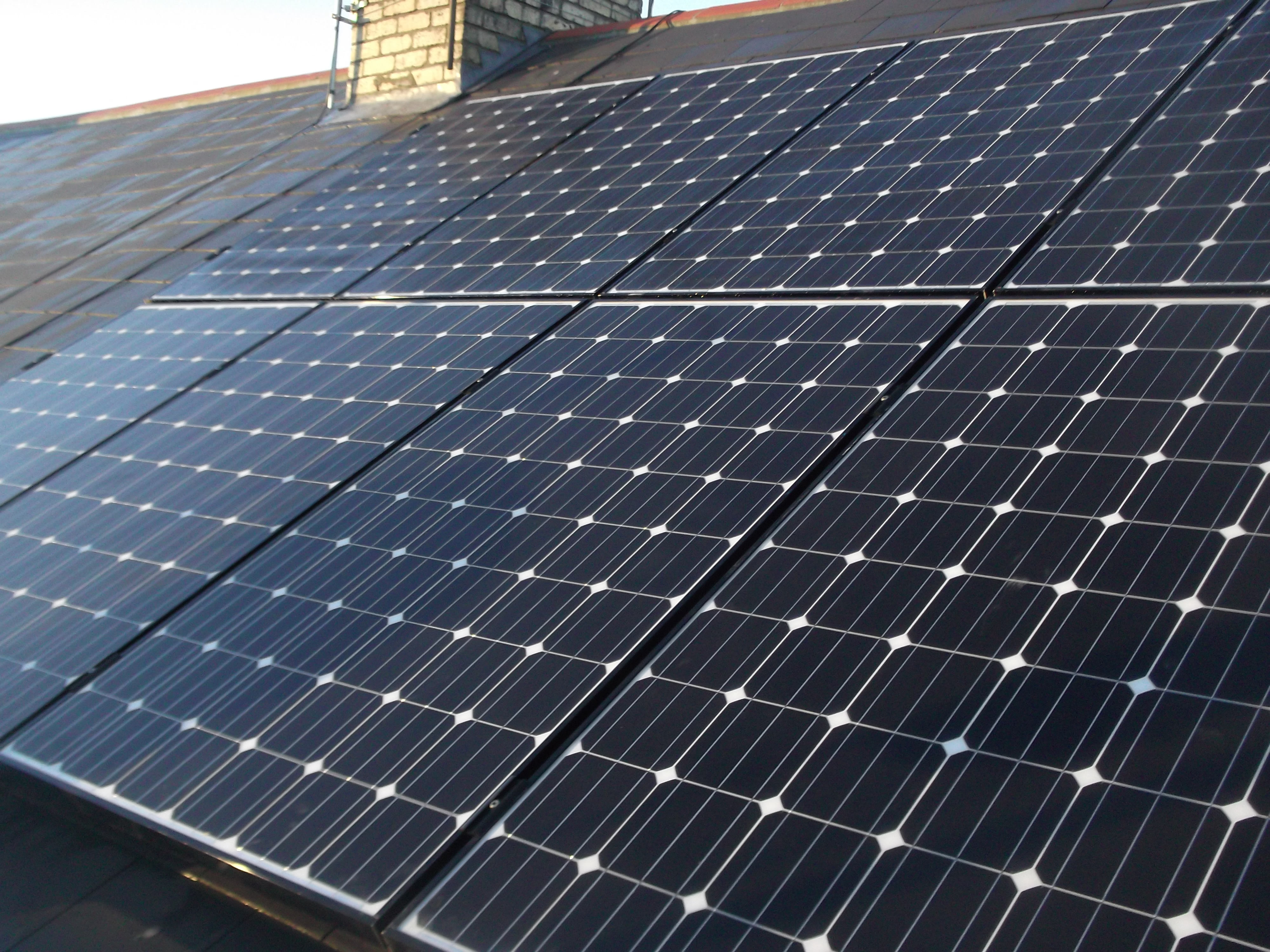
If you have a renewable electricity generating technology such as solar PV, wind turbine, micro-CHP or micro-hydro then you may be eligible for the UK Government’s Feed-in Tariff (FIT) scheme. Introduced in April 2010, this scheme pays generators a tariff for each unit of electricity generated and an additional tariff for each unit of electricity exported to grid.

For renewable heat, the UK Government will be introducing the Renewable Heat Incentive (RHI) in 2014.